Hello!
I am not in the UK at the moment. Not, indeed, anywhere with a reliable internet connection, but I read this and thought of you dear followers, regular readers, and people who find this site via Google, Twitter, Sex is Not the Enemy, Bipolar Bisexual,Mark Simpson and other sites that link to me.
It's about Michael Bailey, he who has been so controversial in denying that bi men are really bi.
The piece below (which was posted on the academic bi yahoo group) begs so very many questions - but I thought it interesting to throw it out there and see what you think.
Lots of love and post soon...
Sue x
The Daily Northwestern - NU Prof. Bailey researching possible 'gay
gene'
See piece here
Recent research from Northwestern Prof. J. Michael Bailey raises new questions in the science behind sexual orientation, namely bisexuality and the prototypical "gay gene."
In his studies on bisexuality, Bailey, a psychology professor, and a team of researchers look at sexual arousal patterns to objectively determine sexual orientation in men and women. Bailey tracks the subject's brain activity while they are looking at erotic pictures to essentially determine "what turns them on," he said.
One new finding is in the sexual orientation of women. Bailey said he found most of his female subjects to be scientifically bisexual, even if they subjectively thought otherwise.
"Women don't work in the way we thought, based on a lot of research we did five to 10 years ago," he said. "Women, at least in the laboratory, get aroused to both stimuli."
This changes everything, Bailey said.
"Now I don’t even know if women have something like a sexual orientation," he said.
About two-thirds of women are showing arousal patterns that differ from what they consider to be their orientation, said Adam Safron, a research consultant on the project.
"Women are not being driven in their arousal pattern in the same way as males," he said.
Male arousal patterns were less flexible than female patterns, Bailey said. Men who believed themselves to be bisexual were aroused by both female and male stimuli but exhibited a stronger arousal to males than females. Bailey published a paper in 2005 suggesting bisexual men do not have bisexual arousal patterns. If sexual arousal patterns are the key to sexual orientation and his research is accurate, male bisexuality may not actually exist, Bailey said.
"I never meant to suggest bisexual men were lying about their sexuality," he said. "But there has been some skepticism about if bisexual men are really bisexual in the same way gay men are gay or straight men straight."
Safron said the science behind sexual orientation can get complicated.
"In terms of what people tell you they like, you can't always trust what they tell you, especially with something as emotionally involved as sexuality," he said.
...
Showing posts with label theory. Show all posts
Showing posts with label theory. Show all posts
Friday, April 16, 2010


Wednesday, January 30, 2008
Nothing natural?
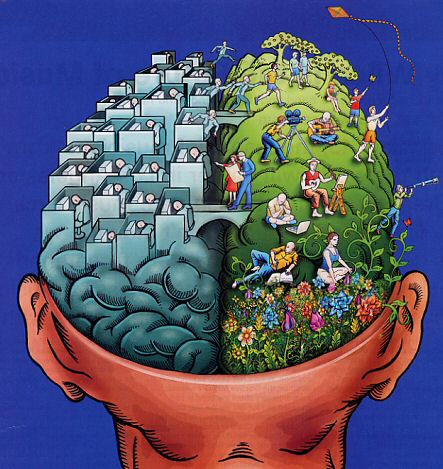
In the Independent newspaper today, they had a long and involved piece entitled Scientists discover way to reverse loss of memory.
Briefly, a man whose brain was operated on to try to suppress his appetite suddenly recovered very vivid memories from 30 years ago. The more research is done on the brain, the more scientists find that manipulating it in some way alters how people act, think, feel and so on.
Another piece from the New York magazine forwarded to me by the New York Area Bisexual Network looked at various sorts of research that has been done by scientists from different fields looking at the so-called causes of homosexuality – length of fingers, chromosomes and so on and so forth. It also suggested that various stereotypical traits of lesbians and gay men might be biologically based, which to me beggars belief – it’s ahistorical and ignores cultural and geographical differences. I remember, for instance, when men having long hair was considered to be a sign of homosexuality. Who would that even occur to now?
“They’re born that way” seems to be the notion du jour – of this and pretty much every other age - and popular opinion likes to go down the common sense track, where if it seems to be true – because of repetition and stereotype, then it must be true. So male hairdressers are gay and female footballers are lesbian. Perhaps bisexuals are footballing hairdressers then?
So is that it then? We are all born gay or straight (or bisexual – although no one seems to be researching that). And we’re all man/woman, male/female, masculine/feminine and that’s that? Isn’t that just a tad simplistic? I think so.
In short, there’s a massive gulf between people who think sexuality is constructed in society - that we end up as we do because of our individual experiences in this particular space and time – and those that think our sexuality is a result what is going on in our brains / with our chromosomes bla de bla.
Science or queer theory?
I am particularly struck by this now as I’ve been reading queer theory for the first time in my life. I’ve always known it existed, but never having been schooled in it I was a bit intimidated, to be honest. But if you start from the beginning, say here it’s not as scary as all that even if it is a bit hard to pin down and define.
Anyway, while thinking that gender is formed in society, that gender is not glued to biological sex (what is that anyway?), and that sexuality is simply a role you play might be all very well to some readers of this blog, it wouldn’t really play in Peoria (do people still say that?)!
Now, I’m well aware that I don’t know enough about science on the one hand, or queer theory on the other, to have a properly informed opinion but that never stopped anyone in this debate. In any case, if you know a lot about one you are not likely to know a lot about the other.
It has always seemed to me, though, that the way people experience and express their sexuality varies so terribly much between cultures, both historically and geographically, that it has to be nonsense to say anyone is born to be gay/bi/whatever.
But hey – I’m a both/and type of bisexual. Do we have to throw out the born that way baby with the biological bathwater? Many people feel that their sexuality is such a deep and profound part of themselves that it is “natural”. They don’t feel that it is a role they can put on and take off. But are they right? What role does biology and neuroscience have to play in sexuality? Answers on a rather large postcard please.
Wednesday, October 03, 2007
Shock news: men and women not from different planets
For the past three days, the Guardian has been running some very interesting excerpts here here and here from the new book by Oxford language professor Deborah Cameron.
In this book, The Myth of Mars and Venus, she is looking at how women and men do and don't communicate, and has discovered that really we are not so very different. But "men and women pretty much the same really" doesn't, as she rightly points out, sell books and get their authors on lucrative book tours and chat shows. She particularly has it in for the grand-daddy of the genre: Men are from Mars and Women are from Venus, by John Gray, which I won't link to because far too many people have copies already.
There are plenty more though: for instance, the fragrant Allan and Barbara Pease "internationally renowned experts in human relations and body language" have a whole slew of books with nonsense titles like Why Men Don't Listen and Women Can't Read Maps. Mr Pease gained this expertise as the youngest person in Australia to sell $1m of life assurance and Mrs Pease by modelling and selling advertising. Real experts, then.
How I hate these books. With their glib little catch-phrases, their wacky cartoons, and their ability to over-simplify the most complex arguments, they are an insult to the intelligence, and it always surprises me that people who seem to have triple-figure IQs believe them. “Men want power, achievement and sex. Women want relationships, stability and love,” they say. What all of them? Always?
Not, sadly, that all of those people talking about men and women being "hard-wired" are dimwits. In the first excerpt from her book, she discusses some who aren't. But they are still mistaken - perhaps in a similar way to Simon LeVay who, when looking for the "gay brain", was mistaken not least because he knowingly and deliberately ignored the fact that some men are bisexual. His initial hypothesis - men are gay or straight - was wrong.
Cameron has a political explanation as to why so many people are keen on these differences being "natural". As she says, people have never been less at the mercy of biology, or men and women less different from each other. However, much of this simplistic writing implies that - because differences are "natural" - we'd all be happier and less frustrated if we reverted to the way things used to be.
But things in the western world have changed so much in the past 100 years: even in the past 20, which they couldn't have done if the previous way of being was wholly natural. Men and women relate differently from when I was a young woman; expectations of how we should live our lives are radically different. Anyone with any sense of history or geography knows that gender expectations vary from from place and time. But those changes that do still exist seem more stubborn.
I think people like these pat explanations because they are easy. Because they don't have to struggle with their partners, because they don't have to make any changes; they don't have to think or challenge anything. Society, in the abstract, doesn't have to transform itself to take these changes into account. We can all go round complaining and tutting about the "opposite sex" as per usual.
Personally, I have also never bought into these man = A, woman = B divisions myself - I can read maps pretty well and have lived with men who iron far more than I do. I hate spending long periods of time chatting on the phone, and I am extremely self-sufficient. No doubt, to some people, I have a male brain. How would that tie in with my interest in the domestic arts, I wonder?
But if you like women, how can you like men?
So what has this to do with bisexuality? Several things in particular. If men and women are so very very different, then other people will perhaps find it impossible that one could be sexually or romantically attracted to both. (Although of course, the difference is precisely what some people like about being bisexual!)
Of course, there is also the all women are bi, no men are bi nonsense which I have written about before. That has a societal explanation too, but again, the "we are hard-wired to X" pops up again and again.
In sexual behaviour, the idea that men and women are very different dies hard. But in my 18 years' experience of interviewing many women about sexuality, and now interviewing men too, I would say that there are far greater differences within any group of women than between men and women. Some people need lots of sex with lots of different people lots of the time. Others are more or less celibate for ever. You can say that men or women tend to do something, but that's it.
These people who simplify sexual differences are likely to have similar views on homosexuality: the Peases, for instance. Headings in their books such as “Why gays and lesbians seem obsessed with sex” give a hint of their agenda. The answer to that question, in case you needed to know, is because men are men and lesbians have higher testosterone levels, making lesbians’ sex drive higher. But is it? Is it really? How do they know - have they done tests themselves? Has anyone ever done any research? I think not. And clearly they have never heard of lesbian bed death either.
So where does bisexuality fit into their world view? Apparently, the “mating centre” in the hypothalamus decides which sex we will be attracted to. In males it needs dosing in male hormones so they will be attracted to women; if insufficient, there will be a greater or lesser (bisexuals, I presume?) attraction to other men.
Hm. Twaddle. Who do you believe - an Oxford professor of language or a salesman and model? Complicated things made not too simple. Differences not so very different after all.
In this book, The Myth of Mars and Venus, she is looking at how women and men do and don't communicate, and has discovered that really we are not so very different. But "men and women pretty much the same really" doesn't, as she rightly points out, sell books and get their authors on lucrative book tours and chat shows. She particularly has it in for the grand-daddy of the genre: Men are from Mars and Women are from Venus, by John Gray, which I won't link to because far too many people have copies already.
There are plenty more though: for instance, the fragrant Allan and Barbara Pease "internationally renowned experts in human relations and body language" have a whole slew of books with nonsense titles like Why Men Don't Listen and Women Can't Read Maps. Mr Pease gained this expertise as the youngest person in Australia to sell $1m of life assurance and Mrs Pease by modelling and selling advertising. Real experts, then.
How I hate these books. With their glib little catch-phrases, their wacky cartoons, and their ability to over-simplify the most complex arguments, they are an insult to the intelligence, and it always surprises me that people who seem to have triple-figure IQs believe them. “Men want power, achievement and sex. Women want relationships, stability and love,” they say. What all of them? Always?
Not, sadly, that all of those people talking about men and women being "hard-wired" are dimwits. In the first excerpt from her book, she discusses some who aren't. But they are still mistaken - perhaps in a similar way to Simon LeVay who, when looking for the "gay brain", was mistaken not least because he knowingly and deliberately ignored the fact that some men are bisexual. His initial hypothesis - men are gay or straight - was wrong.
Cameron has a political explanation as to why so many people are keen on these differences being "natural". As she says, people have never been less at the mercy of biology, or men and women less different from each other. However, much of this simplistic writing implies that - because differences are "natural" - we'd all be happier and less frustrated if we reverted to the way things used to be.
But things in the western world have changed so much in the past 100 years: even in the past 20, which they couldn't have done if the previous way of being was wholly natural. Men and women relate differently from when I was a young woman; expectations of how we should live our lives are radically different. Anyone with any sense of history or geography knows that gender expectations vary from from place and time. But those changes that do still exist seem more stubborn.
I think people like these pat explanations because they are easy. Because they don't have to struggle with their partners, because they don't have to make any changes; they don't have to think or challenge anything. Society, in the abstract, doesn't have to transform itself to take these changes into account. We can all go round complaining and tutting about the "opposite sex" as per usual.
Personally, I have also never bought into these man = A, woman = B divisions myself - I can read maps pretty well and have lived with men who iron far more than I do. I hate spending long periods of time chatting on the phone, and I am extremely self-sufficient. No doubt, to some people, I have a male brain. How would that tie in with my interest in the domestic arts, I wonder?
But if you like women, how can you like men?
So what has this to do with bisexuality? Several things in particular. If men and women are so very very different, then other people will perhaps find it impossible that one could be sexually or romantically attracted to both. (Although of course, the difference is precisely what some people like about being bisexual!)
Of course, there is also the all women are bi, no men are bi nonsense which I have written about before. That has a societal explanation too, but again, the "we are hard-wired to X" pops up again and again.
In sexual behaviour, the idea that men and women are very different dies hard. But in my 18 years' experience of interviewing many women about sexuality, and now interviewing men too, I would say that there are far greater differences within any group of women than between men and women. Some people need lots of sex with lots of different people lots of the time. Others are more or less celibate for ever. You can say that men or women tend to do something, but that's it.
These people who simplify sexual differences are likely to have similar views on homosexuality: the Peases, for instance. Headings in their books such as “Why gays and lesbians seem obsessed with sex” give a hint of their agenda. The answer to that question, in case you needed to know, is because men are men and lesbians have higher testosterone levels, making lesbians’ sex drive higher. But is it? Is it really? How do they know - have they done tests themselves? Has anyone ever done any research? I think not. And clearly they have never heard of lesbian bed death either.
So where does bisexuality fit into their world view? Apparently, the “mating centre” in the hypothalamus decides which sex we will be attracted to. In males it needs dosing in male hormones so they will be attracted to women; if insufficient, there will be a greater or lesser (bisexuals, I presume?) attraction to other men.
Hm. Twaddle. Who do you believe - an Oxford professor of language or a salesman and model? Complicated things made not too simple. Differences not so very different after all.
Sunday, September 16, 2007
Bi-curious? Part one
Look around online, through dating and sex sites, and you’ll see it mentioned all over the place: bi-curious. There are sites for bi-curious men, women, guys, gals/girls/chicks, couples. But what does bi-curious mean exactly? Go back 10 years or so, and the term probably wasn’t even invented. My first memories of seeing it date from around the late 90s but it seems to have leaped and bounded into the 21st century.
In recent years, this term is seen more and more – particularly online. It implies bisexuality extra-lite, focusing on the sex. But is that all it is?
What, precisely, bi-curious means is very much up for grabs and indeed seems not to have been publicly discussed - as far as I can discover - except here.Two sorts of (not mutually exclusive) people describe themselves as bi-curious: either mainly straight people who are playing down their interest in the “wrong” sex while wanting to have sex with them (or perhaps playing up a scarcely existent interest for the benefit of, say, gaining a gay audience for their product); and people who are genuinely unsure about their sexuality.
I'll talk about the first group in a future post; this is about the second - people who are literally curious in some way about their sexuality.
These days, it seems there are quite a few people who actually don’t know if they are interested in the “wrong” – usually the same – sex. They might be literally curious as to what this experience might be like. Perhaps – having had a fair bit of sexual experience with one gender, they wonder what it would be like to do it with the other. That’s what the women in the book A Straight Girl’s Guide to Sleeping with Chicks were doing – putting sex with women on their “to do” list. It’s a sentiment that doesn’t speak of any great desire, but rather of experimentation and seeing if you are missing out. (I've written about experimentation on this blog before, but I'm badgered if I can find the link.)
Then again, some predominantly straight people consider themselves bi-curious because they want to experience what they think their girlfriends/boyfriends feel. They don’t have any desire for same-sex partners per se.
Some people who say “I think I’m bi-curious” might, in the past, have said, “I think I’m bisexual” instead. Lindy, who I interviewed for my book, describes herself as bi-curious, rather than bisexual. I asked what that meant to her, and how it differed from calling herself bisexual.
Bi-curious in this context is about questioning your sexuality – something that is generally considered acceptable by lesbian/gay and straight society as long as you come out with a decisive answer at the end of the process.
This is the most popular stereotype of bisexuality per se, indeed what many non-bi people consider it to be. Some lesbians and gay men feel such people are taking advantage of them – trying to get their pleasure without any of their pain and some politicised bisexuals feel similarly - yet I think this is a little harsh. Not everyone actually is sure of their sexuality. They may indeed feel tentative about their desires. Bi-curious is, true, an apolitical definition; there is nothing “out and proud” about it. But so what? Groups to promote safer sex that want to attract the biggest number of men who “behave bisexually” have found that putting the word “bi-curious” in their title has helped reach their target audience.
Bi-curiosity may mean, literally, people being curious about their desires and once their curiosity is satisfied they can go back to their usual sexuality. Or, alternatively, they may change it completely. It is ridiculous to expect everyone to spring out, all guns blazing, to shout out their one true sexuality.
So when, if ever, might you stop thinking of yourself as bi-curious and move on to actually being bi? According to Lindy:
Sites specifically geared towards bi-curious people are:
For women, a fairly extensive site which I am surprised is not better known (by me, certainly.
For men, although I think this is mainly porn.
In recent years, this term is seen more and more – particularly online. It implies bisexuality extra-lite, focusing on the sex. But is that all it is?
What, precisely, bi-curious means is very much up for grabs and indeed seems not to have been publicly discussed - as far as I can discover - except here.Two sorts of (not mutually exclusive) people describe themselves as bi-curious: either mainly straight people who are playing down their interest in the “wrong” sex while wanting to have sex with them (or perhaps playing up a scarcely existent interest for the benefit of, say, gaining a gay audience for their product); and people who are genuinely unsure about their sexuality.
I'll talk about the first group in a future post; this is about the second - people who are literally curious in some way about their sexuality.
These days, it seems there are quite a few people who actually don’t know if they are interested in the “wrong” – usually the same – sex. They might be literally curious as to what this experience might be like. Perhaps – having had a fair bit of sexual experience with one gender, they wonder what it would be like to do it with the other. That’s what the women in the book A Straight Girl’s Guide to Sleeping with Chicks were doing – putting sex with women on their “to do” list. It’s a sentiment that doesn’t speak of any great desire, but rather of experimentation and seeing if you are missing out. (I've written about experimentation on this blog before, but I'm badgered if I can find the link.)
Then again, some predominantly straight people consider themselves bi-curious because they want to experience what they think their girlfriends/boyfriends feel. They don’t have any desire for same-sex partners per se.
Some people who say “I think I’m bi-curious” might, in the past, have said, “I think I’m bisexual” instead. Lindy, who I interviewed for my book, describes herself as bi-curious, rather than bisexual. I asked what that meant to her, and how it differed from calling herself bisexual.
For me, it means that you have been straight in practice, but have had same sex leanings that you have not explored. I think it is different to being bi-sexual. I once said to a bi-woman that I dont feel that i can yet call myself bi-sexual because I have not had a same sex sexual experience. She countered with the argument that the world is filled with virgins who know they are straight. She had a point, which made me think. I guess in the end, I'd rather "try it out" before I make up my mind.
Bi-curious in this context is about questioning your sexuality – something that is generally considered acceptable by lesbian/gay and straight society as long as you come out with a decisive answer at the end of the process.
This is the most popular stereotype of bisexuality per se, indeed what many non-bi people consider it to be. Some lesbians and gay men feel such people are taking advantage of them – trying to get their pleasure without any of their pain and some politicised bisexuals feel similarly - yet I think this is a little harsh. Not everyone actually is sure of their sexuality. They may indeed feel tentative about their desires. Bi-curious is, true, an apolitical definition; there is nothing “out and proud” about it. But so what? Groups to promote safer sex that want to attract the biggest number of men who “behave bisexually” have found that putting the word “bi-curious” in their title has helped reach their target audience.
Bi-curiosity may mean, literally, people being curious about their desires and once their curiosity is satisfied they can go back to their usual sexuality. Or, alternatively, they may change it completely. It is ridiculous to expect everyone to spring out, all guns blazing, to shout out their one true sexuality.
So when, if ever, might you stop thinking of yourself as bi-curious and move on to actually being bi? According to Lindy:
I think if I had some positive experiences, I would class myself as being bi. If I had negative ones though, I would not be quick to discount the possibility of me being bi though...You probably click with some women and not with others - just like with men!
Sites specifically geared towards bi-curious people are:
For women, a fairly extensive site which I am surprised is not better known (by me, certainly.
For men, although I think this is mainly porn.
Friday, June 22, 2007
Sticking on some more labels
To carry on from where I left off last week...
“Why," asks my correspondent "is the fact that the gender one is attracted to of such importance in our conceptions of sex and not, say, the fact that we have such a conception in the first place?”
Indeed. And in a different kind of world it wouldn’t have anything like such importance. At the moment, though, for society at large, the biological sex of your sexual partners is by far the most important thing. Not whether you only like people who are older or younger (unless this is by many years); a difference race to you or the same; always blondes or never blondes; short or tall; kind or cruel. All these are seen as behaviour choices, rather than as saying something profound. They are things that can be changed not innate. Sexual orientation, on the other hand, is meant to be innate – although I personally believe it is far more complicated than that.
And as you say, there is certainly no concern over whether I have a partner I never have sex with, always dump them after six months, want sex three times a day, don’t ever really want sex with anyone, like it swinging from the chandeliers or standing on my head. Etc.
To my mind, that’s because the whole way society is organised is predicated on straight good/gay bad. Bisexuality, or in anyway refusing to accept that dichotomous view of sexuality, blurs the boundaries too much. Straight men in particular need to know that the man they are dealing with is definitely straight or definitely gay in order that they know how to deal with him. In addition, the appearance of monogamy is important to the maintenance of the nuclear family. But it’s only an appearance. For probably most people of every sexuality, at least in 2007, long-term monogamy is a goal that they can never quite attain. Bisexuality throws that into question, even if the individuals concerned are 150% faithful.
To those involved though, as distinct from the concerns of mainstream society, other sorts of sexual identities can be at least as compelling. I’m thinking here of people I’ve interviewed and who I have found through predominantly bisexual forums. It seems to become an identity if they feel it is something they are oppressed over and which is fundamental to their sense of self. For instance, to my surprise actually, many of them identified as poly at least as much as they identified as bi. Polyamory – loving more than one person – is increasingly something its adherents are public and vocal about. To me personally, relationships are “poly” rather than people are “poly”. It is me, on the other hand, rather than my relationships, that is bisexual.
“Why," asks my correspondent "is the fact that the gender one is attracted to of such importance in our conceptions of sex and not, say, the fact that we have such a conception in the first place?”
Indeed. And in a different kind of world it wouldn’t have anything like such importance. At the moment, though, for society at large, the biological sex of your sexual partners is by far the most important thing. Not whether you only like people who are older or younger (unless this is by many years); a difference race to you or the same; always blondes or never blondes; short or tall; kind or cruel. All these are seen as behaviour choices, rather than as saying something profound. They are things that can be changed not innate. Sexual orientation, on the other hand, is meant to be innate – although I personally believe it is far more complicated than that.
And as you say, there is certainly no concern over whether I have a partner I never have sex with, always dump them after six months, want sex three times a day, don’t ever really want sex with anyone, like it swinging from the chandeliers or standing on my head. Etc.
To my mind, that’s because the whole way society is organised is predicated on straight good/gay bad. Bisexuality, or in anyway refusing to accept that dichotomous view of sexuality, blurs the boundaries too much. Straight men in particular need to know that the man they are dealing with is definitely straight or definitely gay in order that they know how to deal with him. In addition, the appearance of monogamy is important to the maintenance of the nuclear family. But it’s only an appearance. For probably most people of every sexuality, at least in 2007, long-term monogamy is a goal that they can never quite attain. Bisexuality throws that into question, even if the individuals concerned are 150% faithful.
To those involved though, as distinct from the concerns of mainstream society, other sorts of sexual identities can be at least as compelling. I’m thinking here of people I’ve interviewed and who I have found through predominantly bisexual forums. It seems to become an identity if they feel it is something they are oppressed over and which is fundamental to their sense of self. For instance, to my surprise actually, many of them identified as poly at least as much as they identified as bi. Polyamory – loving more than one person – is increasingly something its adherents are public and vocal about. To me personally, relationships are “poly” rather than people are “poly”. It is me, on the other hand, rather than my relationships, that is bisexual.
Friday, June 15, 2007
Sticking a label on it
I was inspired to write this particular post by an email from another reader, and it's all about identity.
Is it, he asks, that "sexual identity is at the forefront of what it means to have an identity at all". Yes and no. For me personally, regarding my own identity, that's true. Identifying as bisexual is very important to me because it is so very invisible/misunderstood/stereotyped and so I have a vested interest in putting the record straight. But having a sexual identity is absolutely irrelevant to many/most people – as long as they are either completely het or are so casually bi that their same-sex behaviour can be written off as a bit of drunken fumbling that says nothing about them.
Then of course there is the philosophical issue of what actually "identity" means. In the way we use it today, it’s generally speaking about oppression. Another identity that used to be very important to me – "mother" – is not, now that my son is an adult and not in need of my day-to-day care. I am not oppressed as the mother of a 23-year-old! Being the mother of a 3 or 13 year old is an entirely different matter. "Mother" as an identity has changed into “mother” purely as describing a relationship.
In many ways, of course, the whole issue of identity as we see it at all is very historically, geographically and culturally specific. As far as I can tell, most people, most of the time, see and saw themselves as identifying with a tribe, a family, a group, a class – differentiating themselves from people who weren’t part of that group.
Identity is about differentiating yourself from those around you and this applies to all sorts of identity. Therefore I don't need to identify as bisexual when I am in, say, a bi conference. But when everyone assumes I am straight (or at times in the past when they I assumed I was a lesbian) I need to speak the truth about myself. Similarly, if I am abroad I will say I am British whereas here no one would think I was anything else. But I might say I was a Londoner if I was in Scotland, or indeed that I am half-Welsh if the subject comes up.
In the USA, compared to all other countries, identity in general is spectacularly important. As anyone observing that culture knows, people are always hyphenated (Italian-American, Irish-American, African-American and so forth) in a way I don’t think happens anywhere else. Perhaps this is partly why sexual identity is so important there too (apart from the fact that great swaths of the country express levels of homophobia and fundamentalist moral fervour that would only be laughed at in the UK, of course!)
I have rather belatedly been reading Ariel Levy’s book Female Chauvinist Pigs. Among many other very interesting things she talks about the way sexual identity has changed there. “Lesbian” for instance used to be a political label, a rallying cry, whereas now, she says, identity has become a “behaviour-descriptor”. It describes what you do, not what you think or feel. Many women now say things like: “I’m a butch top” etc. While that might help them get the sort of sex they want, it doesn’t really do much for anybody’s liberation.
More on this in the next post...
Is it, he asks, that "sexual identity is at the forefront of what it means to have an identity at all". Yes and no. For me personally, regarding my own identity, that's true. Identifying as bisexual is very important to me because it is so very invisible/misunderstood/stereotyped and so I have a vested interest in putting the record straight. But having a sexual identity is absolutely irrelevant to many/most people – as long as they are either completely het or are so casually bi that their same-sex behaviour can be written off as a bit of drunken fumbling that says nothing about them.
Then of course there is the philosophical issue of what actually "identity" means. In the way we use it today, it’s generally speaking about oppression. Another identity that used to be very important to me – "mother" – is not, now that my son is an adult and not in need of my day-to-day care. I am not oppressed as the mother of a 23-year-old! Being the mother of a 3 or 13 year old is an entirely different matter. "Mother" as an identity has changed into “mother” purely as describing a relationship.
In many ways, of course, the whole issue of identity as we see it at all is very historically, geographically and culturally specific. As far as I can tell, most people, most of the time, see and saw themselves as identifying with a tribe, a family, a group, a class – differentiating themselves from people who weren’t part of that group.
Identity is about differentiating yourself from those around you and this applies to all sorts of identity. Therefore I don't need to identify as bisexual when I am in, say, a bi conference. But when everyone assumes I am straight (or at times in the past when they I assumed I was a lesbian) I need to speak the truth about myself. Similarly, if I am abroad I will say I am British whereas here no one would think I was anything else. But I might say I was a Londoner if I was in Scotland, or indeed that I am half-Welsh if the subject comes up.
In the USA, compared to all other countries, identity in general is spectacularly important. As anyone observing that culture knows, people are always hyphenated (Italian-American, Irish-American, African-American and so forth) in a way I don’t think happens anywhere else. Perhaps this is partly why sexual identity is so important there too (apart from the fact that great swaths of the country express levels of homophobia and fundamentalist moral fervour that would only be laughed at in the UK, of course!)
I have rather belatedly been reading Ariel Levy’s book Female Chauvinist Pigs. Among many other very interesting things she talks about the way sexual identity has changed there. “Lesbian” for instance used to be a political label, a rallying cry, whereas now, she says, identity has become a “behaviour-descriptor”. It describes what you do, not what you think or feel. Many women now say things like: “I’m a butch top” etc. While that might help them get the sort of sex they want, it doesn’t really do much for anybody’s liberation.
More on this in the next post...
Wednesday, June 06, 2007
I'll get back to you on that
People sometimes send me private emails (as distinct from public comments) about things that I have written - and this particularly applied to my post back in January on Michael Bailey's work about the supposed non-existence of bisexuality in men.
One man in particular questioned how many bi men there are - I would say from a perspective of disappointment, not hostility - as he met very few that he considered to be "really bi". Part of the trouble, he suggested, was that there was no agreed definition of the term "bisexual" - it could mean people who are only marginally interested in both sexes, or those who truly don't differentiate on the basis of gender.
I wrote him a long reply. It's too long to post all in one go, so here's a section...
You said that one of the problems is that there are no
precise definitions of bisexuality - it's not
necessarily a 50-50 attraction. To my mind, that's one
of the beauties as well as one of the problems of
bisexuality - it covers so many different types of
feelings / behaviours / attractions etc. Fritz Klein
came up with the definitions gay-bi, straight-bi, and
bi-bi. Personally, although I think this is useful, I
think of sexuality more on the spectrum model - that
some are towards the gay end, some the straight end,
and most of us are floating around in the middle. We
may be more at one end or the other, or slide up and
down!
But is bisex about "doing it", or feeling it, or
having experienced it, or self-identity, or what?
Probably a mixture. I'm sure you know, too, that all
bisexuals seem to be quite different from each other.
I have come across a lot of men whose feelings towards
other men seem tremendously confused. They like the
sex with men, but don't "fancy" them. They only fancy
them once they are naked. They only want to have sex
with them when women are in the room. They only want
very masculine men. Or men when they are dressed as
women (ie transvestites who are only dressing up for
sex, not transsexuals). Some bi men do want to go on
the gay scene and get men, but perhaps not in huge
numbers. Some of them seem to hate the gay scene,
though, not because they don't really want sex with
men but because they find it alienating in one way or
another.
Yes, it is true that men with high libidos do have sex
with people they're not attracted to. But, quite
honestly, so do women. Not to the same extent as men,
but they do. Women who are swingers, for instance. Or
perhaps they are turned on by the situation, what they
are doing, a feeling of "naughtiness" perhaps, rather
than experiencing desire for that person per se.
Someone I interviewed, for instance, described having
sex with men, especially transvestites, as "extra
pervy". Now, of course this is nothing like 50-50
bisexuality, but neither is it *not* bisexuality. This
is where I do think it is all really complicated.
Where I think men (even many gay ones) do seem to be
definitely women-oriented is emotionally. That, I
think, might be where I do agree that men are more
likely to be straight: many bi men only see themselves
as bisexual in a sexual sense. (A lot of men who do
have sex with men have said that they don't want any
emotional intimacy with men. Indeed, that they find it
horrifying, almost. I wrote about this before in a
post about men not wanting to kiss each other.
How far this is because if men have a love
relationship with another man then they really have to
out themselves - to themselves and to other people - I
don't know. Perhaps that is simply too dangerous on an
emotional level. But I personally know some gay men
who don't seem to have allowed themselves to fall in
love with other men, either. They are happy to shag
around, or at least try to, and to have women as their
constant companions. One of my friends calls that
"heterosocial". This, too, is connected to the fact
that straight men tend to rely on the women in their
life for emotional support, as indeed do most women
regardless of sexuality.
Thoughts, anyone?
One man in particular questioned how many bi men there are - I would say from a perspective of disappointment, not hostility - as he met very few that he considered to be "really bi". Part of the trouble, he suggested, was that there was no agreed definition of the term "bisexual" - it could mean people who are only marginally interested in both sexes, or those who truly don't differentiate on the basis of gender.
I wrote him a long reply. It's too long to post all in one go, so here's a section...
You said that one of the problems is that there are no
precise definitions of bisexuality - it's not
necessarily a 50-50 attraction. To my mind, that's one
of the beauties as well as one of the problems of
bisexuality - it covers so many different types of
feelings / behaviours / attractions etc. Fritz Klein
came up with the definitions gay-bi, straight-bi, and
bi-bi. Personally, although I think this is useful, I
think of sexuality more on the spectrum model - that
some are towards the gay end, some the straight end,
and most of us are floating around in the middle. We
may be more at one end or the other, or slide up and
down!
But is bisex about "doing it", or feeling it, or
having experienced it, or self-identity, or what?
Probably a mixture. I'm sure you know, too, that all
bisexuals seem to be quite different from each other.
I have come across a lot of men whose feelings towards
other men seem tremendously confused. They like the
sex with men, but don't "fancy" them. They only fancy
them once they are naked. They only want to have sex
with them when women are in the room. They only want
very masculine men. Or men when they are dressed as
women (ie transvestites who are only dressing up for
sex, not transsexuals). Some bi men do want to go on
the gay scene and get men, but perhaps not in huge
numbers. Some of them seem to hate the gay scene,
though, not because they don't really want sex with
men but because they find it alienating in one way or
another.
Yes, it is true that men with high libidos do have sex
with people they're not attracted to. But, quite
honestly, so do women. Not to the same extent as men,
but they do. Women who are swingers, for instance. Or
perhaps they are turned on by the situation, what they
are doing, a feeling of "naughtiness" perhaps, rather
than experiencing desire for that person per se.
Someone I interviewed, for instance, described having
sex with men, especially transvestites, as "extra
pervy". Now, of course this is nothing like 50-50
bisexuality, but neither is it *not* bisexuality. This
is where I do think it is all really complicated.
Where I think men (even many gay ones) do seem to be
definitely women-oriented is emotionally. That, I
think, might be where I do agree that men are more
likely to be straight: many bi men only see themselves
as bisexual in a sexual sense. (A lot of men who do
have sex with men have said that they don't want any
emotional intimacy with men. Indeed, that they find it
horrifying, almost. I wrote about this before in a
post about men not wanting to kiss each other.
How far this is because if men have a love
relationship with another man then they really have to
out themselves - to themselves and to other people - I
don't know. Perhaps that is simply too dangerous on an
emotional level. But I personally know some gay men
who don't seem to have allowed themselves to fall in
love with other men, either. They are happy to shag
around, or at least try to, and to have women as their
constant companions. One of my friends calls that
"heterosocial". This, too, is connected to the fact
that straight men tend to rely on the women in their
life for emotional support, as indeed do most women
regardless of sexuality.
Thoughts, anyone?
Friday, January 05, 2007
Why Michael Bailey is still so very wrong
Yep, it had to come sooner or later – my angry launch into some of the work done by Professor Michael J Bailey, professor of psychology at Northwestern university, USA. You know, that research heralded in the New York Times with the headline "Gay, Straight or Lying". The research that allegedly showed that true male bisexuality doesn't exist. That men either fancied men, or women, but not both, even if they said they were bisexual. I know that this research came out in 2005, but I wasn't blogging then. I know, too, that the best response to a lot of this twaddle is simply to ignore it and hope it fades away, but unfortunately this research hasn't. Indeed, a commenter on my blog has cited it within the past month.
Where the blood flows
Michael Bailey and his researchers measured "genital arousal patterns in response to images of men and women". Apparently, even those men who identified as bi (although it's more complicated than that, see below) were only – or near as dammit – attracted to one sex or the other, usually men. They assessed this genital arousal using a plethysmograph – which measures blood flow to the penis and is apparently not admissable as evidence in US courts (although the mind boggles as to what it would be needed for).
So, why does this research have more holes in it than a leaky sieve:
* He used a tiny number of men – 104, of whom only 33 identified as bi. Only 22 of the 33 whom had "sufficient genital arousal for analyses"
* Although it's hard to figure out exactly what happened – without reading the extensive report - it seems that their self-identity wasn't used after the recruitment process. Instead, the researchers rated men as gay, straight or bi according to answers they gave to questions about their sexual desires
* Not everyone, even male everyones, is turned on by porn, particularly not in lab conditions. A third of all his research subjects (however they identified) were not aroused at all. So does that mean they are really asexual? Excuse me while I roll my eyes. What about the fact that (many? some?) lesbians like gay men's porn? What would that make them in his eyes? Or bi porn for that matter. And some people don't like some sorts of porn/some scenarios / some physical types, all of which might turn them off. Apparently, the bi men's subjective response – whether they thought they were turned on – did tally with their stated orientation. There is far more to sexuality, sexual identity, orientation and desire than simply physiological response. Surely this is common sense. Not in this study, however.
* An important element of sexuality is emotion, which isn't even alluded to here. What about all those men who are strongly sexually interested in men, but only fall in love with women?
* "I'm not denying that bisexual behavior exists," quoth The Man "but I am saying that in men there's no hint that true bisexual arousal exists, and that for men arousal is orientation." Erm, why? Seems like a leap over a huge great gulf to me. I would have thought that the differences in number between men saying they were bi and their penises saying something else precisely showed that arousal did not equal orientation. If you even buy that measuring blood flow to the penis really tells you anything useful.
Proof of what, exactly?
However, this flawed research is still currently cited and re-cited as "proof" that bi men don't exist. It's so popular because it says what people want it to say. Huge swaths of society seem to have a vested interest in implying that no men are really bisexual and all women are. Society (specifically, but not exclusively, straight men) is frightened of bi men – who are a bit too much like them - but they can push gay men over to one side and think of them as "other". They can even allow them a few rights now and then.
On the other hand, the daft idea that women are much more likely to be bisexual - to be specific, have "bisexual arousal patterns" - was allegedly demonstrated by the same team of researchers. Not in my experience, they don't, unless of course I have come across the world's largest collection of biphobic prudes.
Of course, Bailey doesn't even attempt to address the social factors making bi men differ from bi women. It is very much harder (in the West, in 2007, although not in other times or places) to be a bi man than to be a bi woman. It's also self-fulfilling: if you are a young man told you can't be bi because all bi men are really gay, chances are you will go along with that. If you are a young woman told all women are bi, you might well think your affectionate responses to your female friends should be more sexual than they are. Simple result: more women than men say they are bi.
What the papers say
While the mainstream press gave the original research a lot of favourable press coverage when it was published, the queer press was more – and sometimes highly – sceptical. It was comprehensively trounced on this blog post. In fact, this blogger has plenty of other information about why Bailey and his research shouldn't be trusted (his appalling work on transsexuals, to start with), along with some great comments. He also links to this fact sheet from the Gay and Lesbian Task Force Foundation which says a lot of what I have covered in this post, but better and with footnotes.
Ron Jackson Suresha, who co-edited Bi Men: Coming Out Every Which Way, writes here about some of the political reasons why the media likes anti-bi research, and ignores pro-bi information. And Mark Simpson wrote a brilliant – and funny - dissection of this research on his blog back in April. It's a long post, but it shows that – in his experience as a gay man sleeping with bi men – that there are a lot of men who will enthusiastically sleep with other men without having the remotest interest in making it a full-time job.
Where the blood flows
Michael Bailey and his researchers measured "genital arousal patterns in response to images of men and women". Apparently, even those men who identified as bi (although it's more complicated than that, see below) were only – or near as dammit – attracted to one sex or the other, usually men. They assessed this genital arousal using a plethysmograph – which measures blood flow to the penis and is apparently not admissable as evidence in US courts (although the mind boggles as to what it would be needed for).
So, why does this research have more holes in it than a leaky sieve:
* He used a tiny number of men – 104, of whom only 33 identified as bi. Only 22 of the 33 whom had "sufficient genital arousal for analyses"
* Although it's hard to figure out exactly what happened – without reading the extensive report - it seems that their self-identity wasn't used after the recruitment process. Instead, the researchers rated men as gay, straight or bi according to answers they gave to questions about their sexual desires
* Not everyone, even male everyones, is turned on by porn, particularly not in lab conditions. A third of all his research subjects (however they identified) were not aroused at all. So does that mean they are really asexual? Excuse me while I roll my eyes. What about the fact that (many? some?) lesbians like gay men's porn? What would that make them in his eyes? Or bi porn for that matter. And some people don't like some sorts of porn/some scenarios / some physical types, all of which might turn them off. Apparently, the bi men's subjective response – whether they thought they were turned on – did tally with their stated orientation. There is far more to sexuality, sexual identity, orientation and desire than simply physiological response. Surely this is common sense. Not in this study, however.
* An important element of sexuality is emotion, which isn't even alluded to here. What about all those men who are strongly sexually interested in men, but only fall in love with women?
* "I'm not denying that bisexual behavior exists," quoth The Man "but I am saying that in men there's no hint that true bisexual arousal exists, and that for men arousal is orientation." Erm, why? Seems like a leap over a huge great gulf to me. I would have thought that the differences in number between men saying they were bi and their penises saying something else precisely showed that arousal did not equal orientation. If you even buy that measuring blood flow to the penis really tells you anything useful.
Proof of what, exactly?
However, this flawed research is still currently cited and re-cited as "proof" that bi men don't exist. It's so popular because it says what people want it to say. Huge swaths of society seem to have a vested interest in implying that no men are really bisexual and all women are. Society (specifically, but not exclusively, straight men) is frightened of bi men – who are a bit too much like them - but they can push gay men over to one side and think of them as "other". They can even allow them a few rights now and then.
On the other hand, the daft idea that women are much more likely to be bisexual - to be specific, have "bisexual arousal patterns" - was allegedly demonstrated by the same team of researchers. Not in my experience, they don't, unless of course I have come across the world's largest collection of biphobic prudes.
Of course, Bailey doesn't even attempt to address the social factors making bi men differ from bi women. It is very much harder (in the West, in 2007, although not in other times or places) to be a bi man than to be a bi woman. It's also self-fulfilling: if you are a young man told you can't be bi because all bi men are really gay, chances are you will go along with that. If you are a young woman told all women are bi, you might well think your affectionate responses to your female friends should be more sexual than they are. Simple result: more women than men say they are bi.
What the papers say
While the mainstream press gave the original research a lot of favourable press coverage when it was published, the queer press was more – and sometimes highly – sceptical. It was comprehensively trounced on this blog post. In fact, this blogger has plenty of other information about why Bailey and his research shouldn't be trusted (his appalling work on transsexuals, to start with), along with some great comments. He also links to this fact sheet from the Gay and Lesbian Task Force Foundation which says a lot of what I have covered in this post, but better and with footnotes.
Ron Jackson Suresha, who co-edited Bi Men: Coming Out Every Which Way, writes here about some of the political reasons why the media likes anti-bi research, and ignores pro-bi information. And Mark Simpson wrote a brilliant – and funny - dissection of this research on his blog back in April. It's a long post, but it shows that – in his experience as a gay man sleeping with bi men – that there are a lot of men who will enthusiastically sleep with other men without having the remotest interest in making it a full-time job.
Wednesday, December 13, 2006
More questions than answers

Do more people than ever, these days, wonder about whether they might not be totally straight or gay? I think they do. In the past, and in most places around the world now, everyone just assumed they were straight unless there was staggering evidence to the contrary. And sometimes they didn't believe even that.
Things are different now in much of the western world, even in repressive countries like the US (Joke. Sort of). This is a feeling, rather than evidence given us by people with masters' degrees in research methodology. Many people on MySpace - where people commonly give their sexual orientation - give it as Not Sure. Not bi, which is also an option. As I said in this post, many people ask (both me and themselves): "Am I bisexual?" which is a kind of questioning too.
Apparently the LGBT acronym is now being joined by I (intersex - which I will leave for another time) and Q (questioning) which means that I'm not the only one noticing this.
So what does "questioning" or "not sure" mean? Different things to different people, I'd say.
When I was a young feminist, decades ago, there were groups for women who were lesbian or questioning their sexuality. (Not bisexual, of course; that wasn't allowed!) The idea behind questioning then, I think, was that women would re-consider their relationships with men in the light of their feminism and subsequently - necessarily - reject them. In short, they'd done the questioning already and answered themselves: men were out. They were just talking it through.
This is a different kind of questioning, though. Maybe those questioning their sexuality actually don't know the answer. They feel nervous that they might be choosing the "wrong" identity. They don't want to close off their options when they don't even know who they are. They might be attracted to all sorts of people but bounce from one gender to another without thinking that is OK. They might not be attracted to many people at all.
This is indicative of a new openness, I think, an accepting that the old ideas of "straight equals good and gay equals bad" are a bit more blurry than they used to be. And my main reaction is: terrific!
Let's experiment?
So is this the same as "experimenting"? Well, it can be, except that "experimenting" seems to imply something more sexual, more active rather than introspective.
It is both easier and more acceptable to experiment when you're young. No one thinks that a 16, or even a 21-year-old should have seen and done everything (with the possible exception of the young persons themselves!). When you are a youngish teenager, wondering if you prefer girls to boys is perfectly fine, even for old-fashioned biological determinists. It might be hard for you personally, people might be chivvying you to make your mind up, your boy- or girl-friends might be giving you (and getting) hell but you are allowed to go through a "stage". Still, by your mid-20s, everyone expects you to have made your mind up.
Then people also analyse their lives and themselves after the end of a long relationship, which can happen at any time. In fact, the longer the relationship and the older the person, the more intense the questioning in my experience (well not my own experience, you understand…, but that of people I've known). Not to mention the experimenting / dabbling / putting themselves about a bit or a lot.
But there is another questioning group that I discovered in the research for my book: men in their 50s. Commonly, they had lived mainly heterosexual lives up till that time. Not repressed lives, but often happily married ones. Then, sometimes very suddenly, their feelings shifted. Either they just started looking at men; or they had an out-of-the-blue gay-sex experience that knocked their metaphorical socks off; or they felt that mortality was hitting them round the face like a wet kipper and they needed to do as much as they could before it was too late. In general, they found that a lot harder than the people in the previous two groups, particularly if they were or had been in long-term, previously monogamous relationships.
For some people, too, Not Sure is another word for Bisexual - which often pisses off those of us who are Very Sure that we are bi. But when "bisexual" is such a disliked word by so many, perhaps it's not surprising when they say that.
And of course, there's that slightly more developed side of Not Sure and Questioning: Bi-Curious. I'll leave that till next time.
Tuesday, December 05, 2006
57 varieties of bisexual - an introduction
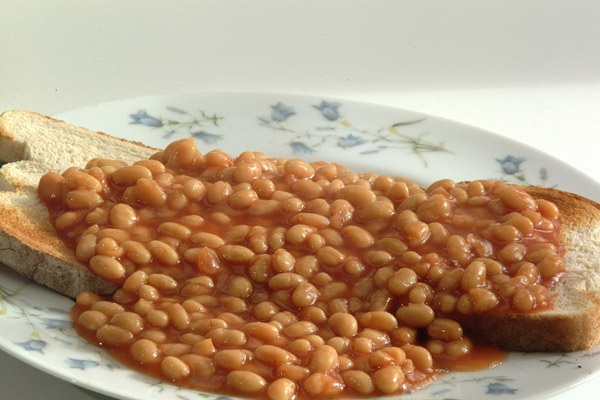
Back in September, I put up a post about men who didn't kiss other men, although they had sex with them. It was connected to the - still live - discussion on the subject on bisexual.com. Around 50% of men who posted didn't understand why you wouldn't kiss other men if you were having sex with them; the other 50% thought men should keep their lips below the belt, as it were.
That post was meant to be the first in a series called 57 Varieties of Bisexual (like the beans, duh). We who are bisexual in some way or another include people with such a wide variety of behaviours, emotions, fantasies etc etc. As usual, I got distracted, but now's the time to revisit the subject, in what will be an occasional series. This is by way of introduction.
Anyway, what's below is taken from the proposal to my forthcoming (please) book The Truth About Bisexuality.
Does bisexuality exist?
Many people from all walks of life don't think so. They consider that bisexual people are really either straight or gay, with only a few pathetic individuals - oversexed, experimenting, exhibitionist, confused, cheats - in between.
What drivel! This preposterous question would never be asked about any other sort of sexuality. And this is despite the fact that the most cursory glance at history or geography shows bisexuality in some form or another has existed across time, place and culture, whether it has been openly acknowledged or not.
This book is based around interviews with people who consider themselves bisexual. People like these:
* Lisa, 26, a shop manager. A self-described "wild child", she has only had relationships with men, but casual sex with women. Even though she would like to be more experienced with women she doesn't know how to go about it.
* Manny, a 49-year-old hair colourist, who has spent most of his life as a gay man. Nevertheless, he "crosses the fence when the opportunity arises" and his most intense relationship was with a woman.
* Linda, 36-year-old full-time mother, who lives in the suburbs with her husband, children and, more recently, her female partner too. Her husband and her girlfriend are close (non-sexual) friends and, with their children, consider themselves to be a family.
* Danny, 16, who is thinking about his attractions to both boys and girls and writes about them frequently on his blog, although he is too intimidated to do anything about them yet.
* Artist Jay, 38, who is only interested in relationships where she has to be sexually submissive. That is the important thing for her; her partners may be male or female.
* Rob and Donna, in their early 30s, who live in the country with their three small children, and operate a smallholding. Their dream is to form a community with other bisexuals that is based on ethical and environmental principles.
* Charis, 49, who describes himself as a "she-male". He has committed relationships with women but, when dressed as a woman himself, has casual sex with men.
* Ian, a 32-year-old journalist who says he's attracted to all the usual qualities people go for. But, as long as they don't fall into masculine or feminine stereotypes, he doesn't care whether his lovers are men or women.
* Dana, 45, a previously male transgender activist who is in a relationship with a female to male transsexual.
* Natalie, 23, who moves in mainly lesbian circles and is mostly attracted to women. But because she retains sexual feelings for men, she describes herself as bisexual.
* Businessman Alan, 59, who decided that after 40 years without sex with men - because he was married, and because it was socially unacceptable - he ought to see what he had been missing.
* Alex, 30, a researcher who had been married and later identified as a lesbian before she decided that - when she fell in love with a man again - the word bisexual fit her best.
* Sue and Bob, a professional married couple in their 40s, who have swinging sex with other male/femake couples. But although Sue has had sex with women outside of that context, Bob is only interested in men within very strict parameters.
* Darragh, 33, a civil servant who - after a bisexually active few years - has agreed with his girlfriend that theirs will be a monogamous relationship.
So, given that many people clearly are bisexual, why does the question of its existence pop up again and again? For political reasons. Mainstream society finds bisexuality so threatening to the status quo that it needs to make bisexuality as unappealing or impossible as it can. Bisexuality exposes as a lie the notion that people are divided into good straights and bad gays, with a brick wall between the two. It forces a recognition that fewer people are wholly straight or gay than everyone likes to think. That's something almost no one wants to hear.
These are just some of the people I interviewed for my book. What other types of bisexual people do readers know about? Is your bisexuality some other sort to that listed above? I can think of some people I have left out...
P.S. Dizzy, Danny isn't you! He is an American guy with a livejournal page who unfortunately seems to have suspended his account.
Tuesday, October 31, 2006
Am I bisexual?
So many people have asked me this during my long period of being out, that I thought I'd have a bash at answering it. I don't think people who have never really questioned their sexual identity, worried about the impact of change on their relationships, friendships, whole lives, can really understand how troubling it can be to not know something so fundamental about yourself.
Now, first up, the "I" here is not me - it is whoever is asking the question. I know that "I" am bisexual, whether or not I have had any male/female lovers recently. I know this through my past, my interests, my perspective on the world, my friendships, who I fancy, everything. It's an important part of my identity.
But people who are asking "am I bisexual?" don't have that. Quite possibly they either:
* Are mainly straight or gay, and wonder if having sexual fantasies about the "wrong" sex, or having kissed one at a party, makes them bisexual.
* Have been in a monogamous relationship for a long while, and are now wondering - sometimes obsessively - what a lover of another gender would be like.
* They are young, or going through a period of great flux in their life, and really don't know who they are attracted to.
* They are very much less young, and haven't "done anything" about their bisexuality in a while.
* They don't feel entirely gay, or straight, but feel that the amount of experience they have had with the "wrong" sex doesn't qualify them to identify as bisexual.
* While they were in a gay/straight relationship previously, they are now in a straight/gay one, and intend to stay in it until their dying day.
* Their sexual desires don't fit into other kinds of boxes, including but by no means limited to the following: they are a woman who is only sexually attracted to gay men, or a man who wants to dress as a woman and have what he (or they) see as lesbian sex, or a person, any gender, who is only attracted to transsexuals.
* Or, quite common this, they are a man who enjoys having some kind of sexual contact with other men but needs to keep this within very strictly confined boundaries and never, ever, would be emotionally involved with one.
* Or, also very common, they think they are "sort-of" bisexual, but consider that to be properly bisexual they need to have a 50-50 interest in men and women.
What do you call yourself?
Now, people who ask this question, I don't know if you are bisexual or not. For me, the bottom line (so to speak) has always been: you are bisexual if you think you are, it's self-identity that counts. Not what other people think - for instance, saying that you have to have had sex with both a man and a woman within a certain time-frame or you will have to hand back your bi credentials.
However. However...
Many people who - looking at their behaviour, or history, or all the things that count for me - don't identify as bisexual. Leaving aside for the moment those people who want to identify themselves as "queer", or who think that there are many different genders, not just two, and therefore consider "bisexual" to be reductive, or know that their "wrong" sex behaviour is something too trivial to be bothered with, many actually don't want to think they are bisexual.
What about all those "Men who have sex with men" or "Behavioural bisexuals" much beloved of HIV-preventors? They are more likely to say "I am just sexual" - and indeed some of them have said precisely that to me. Perhaps the much-hyped African-Americans on the "down-low" (probably only differing from the MSM or BBs by the fact that they are African-American) would say something similar. Thinking of themselves as "bisexual" would be giving it too much importance, or taking on a label that all these men would consider inappropriate.
But people who actually ask "am I bisexual?" aren't - in general - playing word games about whether bi-curious or bi-dyke is a better option for them. They are asking about the deeper aspects of bisexuality. They feel uncomfortable in their own skin, about how they present themselves to the world, about their futures. They are looking for answers to some pretty fundamental questions about themselves and the possibility of being happy in the future. Those answers can only come from within the individual - hopefully through talking things through with friends, lovers, partners, possibly therapists, but also through reading and perhaps finding support groups. The internet is hugely helpful here.
So what's the answer?
There isn't, unfortunately, one simple answer as to whether "you" are bisexual, certainly not one that I can give. But I can say: you can much prefer one gender over the other, and still be bisexual; you can only want emotional relationships with one gender, and still be bisexual; you can call yourself bisexual at the moment - it doesn't matter whether you will always feel this way; you can be happily monogamous and still be bisexual; you can only want to have sex with blonds (scarcely even seeing their gender) and still be bisexual.
It can be really hard to live with uncertainty, particularly if it feels like things are falling apart, but ultimately please don't worry. Bisexuality can actually be pretty great.
Monday, July 10, 2006
Bisexuality over 21
This post is a kind of an answer to Laura's comment (posted in response to Time to be a Rubber Fetishist, below). She said:
"When I was at university lots of girls and boys were experimenting with same sex/different sex relationships and flings but to my knowledge very few continued into adulthood... perhaps because there weren't any role models?"
The invisibility of bisexuals (pretty much everywhere outside of an organised bi community) is something I'm going to come back to again and again in this blog. The reasons for it are complex but this is it in a nutshell...
Mainstream society finds bisexuality so threatening to the status quo that it needs to make bisexuality as unappealing or impossible as it can. Bisexuality exposes as a lie the notion that people are divided into good straights and bad gays, with a brick wall between the two. It forces a recognition that fewer people are wholly straight or gay than everyone likes to think. That's something almost no one wants to hear.
It's also a vicious circle: because bisexuality is so invisible, and because there are so many myths and stereotypes about it, people in general dislike bisexuals. Therefore few say publicly that they are bisexual. Why would people tell others they are bi if the reaction they would get is overwhelmingly negative? Bisexuality is very often - at present - fraught with difficulty: no approval from friends or family, only a tiny community of people to support you even if you can find them, no "bisexual scene" to come out to.
"Well, of course, I dabbled when I was a student"
So is this the only (only!) reason that Laura's friends stopped their experimentations? Well, first of all let's look at that word "experimenting"... It might be simply that - you try something, you decide you don't like it, you don't repeat the experience. Personally, I tried horse-riding: I don't regret it, but I have no desire to do it again. Some people, for sure, who have experimented with both sexes are just trying it on for size. Trite as it sounds, experimentation when you are a young adult is part of growing up. (Although people experiment at other times of their lives too.)
But the difficulty for me is that the words bisexuality and experimentation are often muddled up together. Many people's bisexuality is considered - by themselves and others - as only about experimentation, just a temporary thing while they sort themselves out. Then there's that other synonym "dabble" - over-used by straight and gay people alike. It makes our desires sound like a bit of a joke, something to be taken lightly - when my own sexual feelings have been serious as cancer. And you don't dabble in love, for instance, or long-term relationships, only sex.
Keeping it quiet
Here's another possibility, though: maybe Laura's friends did continue their same sex/different sex behaviour into adulthood, secretly. Many people, probably most, who say to themselves "I am bisexual" or use terms like "my bi side" or have sex with men and women within, say, a five year period, won't tell their friends. I still, even now, get people saying to me: "Oh you're the only one I've ever met". What they actually mean is: "You're the only person who's ever told me they're bi".
But if bisexuality really was that rare then I'd never meet any either - and outside of the bi community, it's rare that I meet people who are openly bi. What I have had, instead, is people "confessing" to me once they know I am bisexual. These confessees, women and men, know perfectly well their sexual and emotional attractions are not confined to one or other side of the gender divide and sometimes they have acted on these feelings. What they don't know is how to cope with them. Honestly, if I had a pound for every person who asked me if I thought they were bisexual...
People like us?
So is it the lack of role models that stops people continuing with same sex/different sex relationships - or talking publicly about them?
To be sure, that's part of it. And perhaps the massive publicity that a certain sort of female bisexuality (bi-try, "party-trick lesbianism", whatever) has had in recent years means that young women are more inclined to express their sexual feelings for each other. Whether that means it's easier for them to have actual relationships is another matter. Heterosexuality rules today as much as ever.
But I think the whole idea of role models is a bit flawed. A person who is my role model might be a total turn-off for someone else. There are female bisexual role models out there if you want them - from Frida Kahlo to Angelina Jolie - although I'm not sure what real relevance they have to, say, an ordinary London woman with an office job.
That's not so true for men. I can't think of any celebrity-style bi male role models who are alive and famous right now. And all this invisibility is far worse for men. Indeed, they are often told that there aren't any out bi men... because no men are really bi.
There are non-celebrity role models though - Robyn Ochs, say, who compiles the Bisexual Resource Guide in Boston, and speaks about bisexuality here, there and everywhere. But whether the woman in the street would know about her is another matter.
Role models or not, what is essential, though, is for bisexuals and bisexuality to be more visible, more prominent, in order to counteract all the propaganda and misinformation about us. My blog is one microscopic part of that - as are the bi resource and community sites on the web, and the real world groups when you can find them and even, perhaps, the sex and dating sites. Then, more people will come out as bi, negative stereotypes will be challenged, and the vicious circle might become a virtuous one.
"When I was at university lots of girls and boys were experimenting with same sex/different sex relationships and flings but to my knowledge very few continued into adulthood... perhaps because there weren't any role models?"
The invisibility of bisexuals (pretty much everywhere outside of an organised bi community) is something I'm going to come back to again and again in this blog. The reasons for it are complex but this is it in a nutshell...
Mainstream society finds bisexuality so threatening to the status quo that it needs to make bisexuality as unappealing or impossible as it can. Bisexuality exposes as a lie the notion that people are divided into good straights and bad gays, with a brick wall between the two. It forces a recognition that fewer people are wholly straight or gay than everyone likes to think. That's something almost no one wants to hear.
It's also a vicious circle: because bisexuality is so invisible, and because there are so many myths and stereotypes about it, people in general dislike bisexuals. Therefore few say publicly that they are bisexual. Why would people tell others they are bi if the reaction they would get is overwhelmingly negative? Bisexuality is very often - at present - fraught with difficulty: no approval from friends or family, only a tiny community of people to support you even if you can find them, no "bisexual scene" to come out to.
"Well, of course, I dabbled when I was a student"
So is this the only (only!) reason that Laura's friends stopped their experimentations? Well, first of all let's look at that word "experimenting"... It might be simply that - you try something, you decide you don't like it, you don't repeat the experience. Personally, I tried horse-riding: I don't regret it, but I have no desire to do it again. Some people, for sure, who have experimented with both sexes are just trying it on for size. Trite as it sounds, experimentation when you are a young adult is part of growing up. (Although people experiment at other times of their lives too.)
But the difficulty for me is that the words bisexuality and experimentation are often muddled up together. Many people's bisexuality is considered - by themselves and others - as only about experimentation, just a temporary thing while they sort themselves out. Then there's that other synonym "dabble" - over-used by straight and gay people alike. It makes our desires sound like a bit of a joke, something to be taken lightly - when my own sexual feelings have been serious as cancer. And you don't dabble in love, for instance, or long-term relationships, only sex.
Keeping it quiet
Here's another possibility, though: maybe Laura's friends did continue their same sex/different sex behaviour into adulthood, secretly. Many people, probably most, who say to themselves "I am bisexual" or use terms like "my bi side" or have sex with men and women within, say, a five year period, won't tell their friends. I still, even now, get people saying to me: "Oh you're the only one I've ever met". What they actually mean is: "You're the only person who's ever told me they're bi".
But if bisexuality really was that rare then I'd never meet any either - and outside of the bi community, it's rare that I meet people who are openly bi. What I have had, instead, is people "confessing" to me once they know I am bisexual. These confessees, women and men, know perfectly well their sexual and emotional attractions are not confined to one or other side of the gender divide and sometimes they have acted on these feelings. What they don't know is how to cope with them. Honestly, if I had a pound for every person who asked me if I thought they were bisexual...
People like us?
So is it the lack of role models that stops people continuing with same sex/different sex relationships - or talking publicly about them?
To be sure, that's part of it. And perhaps the massive publicity that a certain sort of female bisexuality (bi-try, "party-trick lesbianism", whatever) has had in recent years means that young women are more inclined to express their sexual feelings for each other. Whether that means it's easier for them to have actual relationships is another matter. Heterosexuality rules today as much as ever.
But I think the whole idea of role models is a bit flawed. A person who is my role model might be a total turn-off for someone else. There are female bisexual role models out there if you want them - from Frida Kahlo to Angelina Jolie - although I'm not sure what real relevance they have to, say, an ordinary London woman with an office job.
That's not so true for men. I can't think of any celebrity-style bi male role models who are alive and famous right now. And all this invisibility is far worse for men. Indeed, they are often told that there aren't any out bi men... because no men are really bi.
There are non-celebrity role models though - Robyn Ochs, say, who compiles the Bisexual Resource Guide in Boston, and speaks about bisexuality here, there and everywhere. But whether the woman in the street would know about her is another matter.
Role models or not, what is essential, though, is for bisexuals and bisexuality to be more visible, more prominent, in order to counteract all the propaganda and misinformation about us. My blog is one microscopic part of that - as are the bi resource and community sites on the web, and the real world groups when you can find them and even, perhaps, the sex and dating sites. Then, more people will come out as bi, negative stereotypes will be challenged, and the vicious circle might become a virtuous one.
Subscribe to:
Posts (Atom)